
The Secret to Cheap Mobile Data Abroad: Why You Should Switch to an eSIM
A guide to ditching expensive US carrier roaming fees and setting up an affordable eSIM plan for global travel.

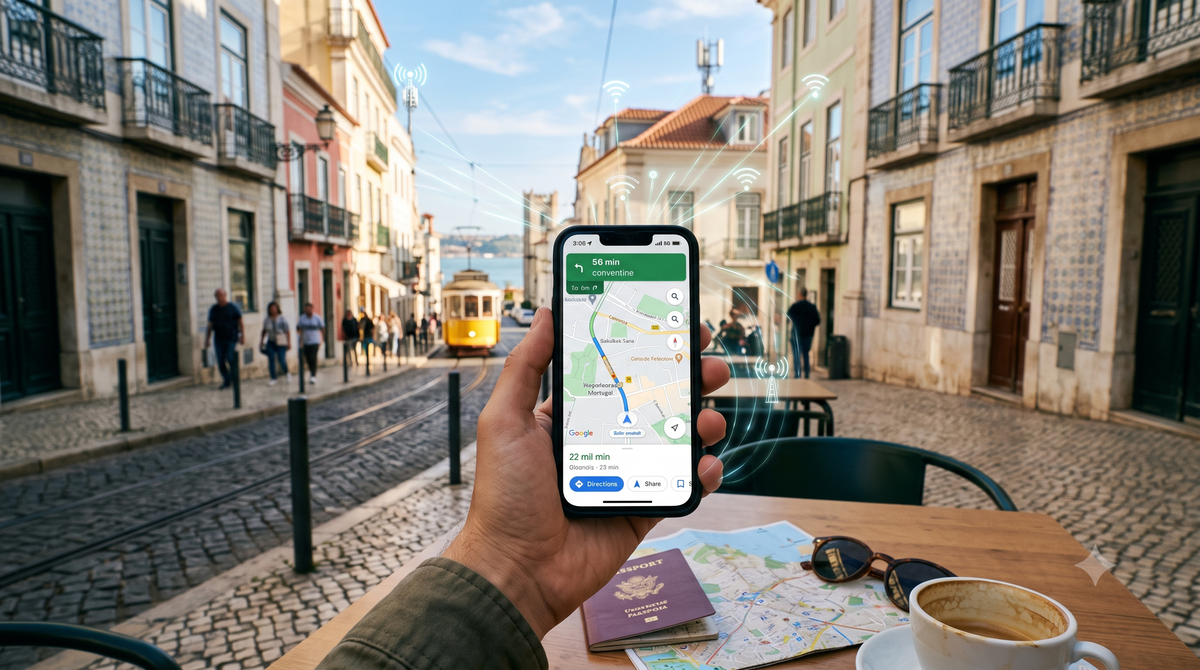
It’s hard to imagine navigating daily life without our smartphones, let alone traveling internationally without one. When we step off a plane in a new country, our phone instantly becomes our map, our translator, our guide, and our connection back home. While most places—like hotels, airports, and restaurants—provide Wi-Fi, it’s still much easier to have mobile data when you’re out and about. Plus, having your own data gives you true independence. You never have to stress about hunting down a cafe for a connection or wondering if the public Wi-Fi is actually fast enough to use. To get that seamless experience abroad, we usually end up paying a premium for mobile data roaming.
US Phone Carriers Are Expensive
Mobile data in the US is expensive. In fact, according to Best broadband deals, the United States ranks #219 out of 237 countries globally for the cost of mobile data. On a brighter note, it’s great to see Israel ranked number one on that exact same list. We might not be winning any World Cups in soccer anytime soon, but hey, at least we beat the rest of the world with cheap mobile data!
For Israelis living in the US, we already know US mobile packages aren't exactly cheap. But when you travel abroad, those costs can truly skyrocket. Most major carriers offer international travel passes that charge around $10 to $12 per day. If you’re traveling for a month, that adds up to $360. Some carriers, like Verizon, offer a monthly international plan for $100, which is better but still high.
And that’s only if you remember to buy the travel pass before you leave. If you use international roaming without setting it up in advance, your mobile data bill could be enormous. AT&T and Verizon, for example, default to "Pay As You Go" roaming, which charges around $2 per MB. At that rate, just 1 GB of unplanned roaming can result in a $2,000+ surprise on your next bill. Not exactly the kind of souvenir anyone wants to bring home.
The Old Way: Hunting for Local Physical SIM Cards
For years, the savvy workaround to avoid these high roaming fees was to buy a local physical SIM card. You’d arrive at your destination, hunt down a telecom kiosk or a store in the city, and buy a prepaid data package for a fraction of the cost of a US roaming pass.
It saved a lot of money, but it was undoubtedly a hassle, wasting precious vacation time. Then came the most stressful part: storing that tiny piece of plastic somewhere safe during your trip and praying you didn’t lose it until you get back home.
Enter the eSIM
Fortunately, technology has evolved, making that tiny physical SIM card largely obsolete. Enter the eSIM (embedded SIM). It’s essentially a digital version of a SIM card that is already built into most modern smartphones.
Instead of swapping out a physical chip, you simply download a digital profile to your phone. This gives you the best of both worlds: the massive cost savings of a local data plan, combined with the comfort of never having to hunt down a local store to buy a physical SIM. When you arrive at your vacation destination, you just hop into your device settings and choose to route all your internet traffic through the cheap eSIM data. Don’t hold me to this, but I think you can leave your US number active in the background just to receive texts, in case you need to get things like bank verification codes.
Where to Start and How to Choose
The easiest way to shop for an eSIM is to use esimdb.com. It allows you to filter by your destination, the length of your trip, how much data you need, and other factors, showing you a wide selection of vendors and prices in one place. If you’re going to several countries on the same trip, you can even get an eSIM that covers all your destinations. The cost obviously depends on those factors, but a week-long trip with a good amount of data could cost anywhere from $5 to $15. Very cheap.
When choosing an eSIM vendor, a great rule of thumb is to look for companies that accept Apple Pay, Google Pay, or PayPal. This ensures you don't have to give your credit card number directly to an unfamiliar company. I wouldn’t shy away from purchasing a plan from an unfamiliar vendor; at the end of the day, a mobile data package is a commodity, and so far, all the eSIM vendors I've used have worked perfectly. However, if you are risk-averse and prefer to go with the most familiar, widely-reviewed names in the industry, companies like Airalo, Holafly, Saily, Ubigi, GigSky, and Nomad rank highly.
Traveling Back to Israel
Since mobile plans in Israel are cheap, many people simply keep their Israeli package active year-round so they don't lose their local number. If that's you, you're already set!
If not, you can buy an eSIM. As you'd expect, esimdb.com and many major eSIM companies provide mobile data in Israel. You can also just buy a local physical SIM card from an Israeli carrier with a prepaid data package.
The Practical Guide: How to Get Started
Setting up an eSIM is straightforward, but it helps to know the nuts and bolts before you travel. Here is a quick summary checklist to make sure you are ready to go:
- Check if your phone is unlocked: An eSIM from a new provider won't work if your phone is locked to your US carrier. You can search on Google or ask AI how to check if your phone has a "carrier lock." If your phone currently has a physical SIM, you can replace it with a SIM from a different provider to test it. If it connects to the network and you can make a call or use data, it’s unlocked.
- Verify eSIM compatibility: Most phones made in the last few years support eSIMs, but you can double-check easily. Dial *#06# on your phone's keypad. If you see a long number labeled "EID" pop up on the screen, your phone is compatible.
- Buy and download before you depart: Don't wait until you land to set up your eSIM. You need a stable internet connection to download the profile. Buy the plan and scan the QR code (or use the provider's app to install it) while you are still on your home Wi-Fi or at the departure gate.
- Turn off your US SIM: To avoid triggering your US carrier's daily pass fee, go into your cellular settings and turn off your primary US line when you board the plane. At the same time, turn on your new eSIM and make sure the "Data Roaming" setting is enabled.
- Switch it off when you return: Once you land back home, simply go into your settings, toggle the travel eSIM off (or delete it entirely), and ensure your US line is selected for cellular data again.
By taking just a few minutes to set up an eSIM before your next trip, you can stay completely connected abroad without paying a hefty price tag to your carrier. It will save you money on your next trip and all the ones to follow.